What is his most famous piece of work?

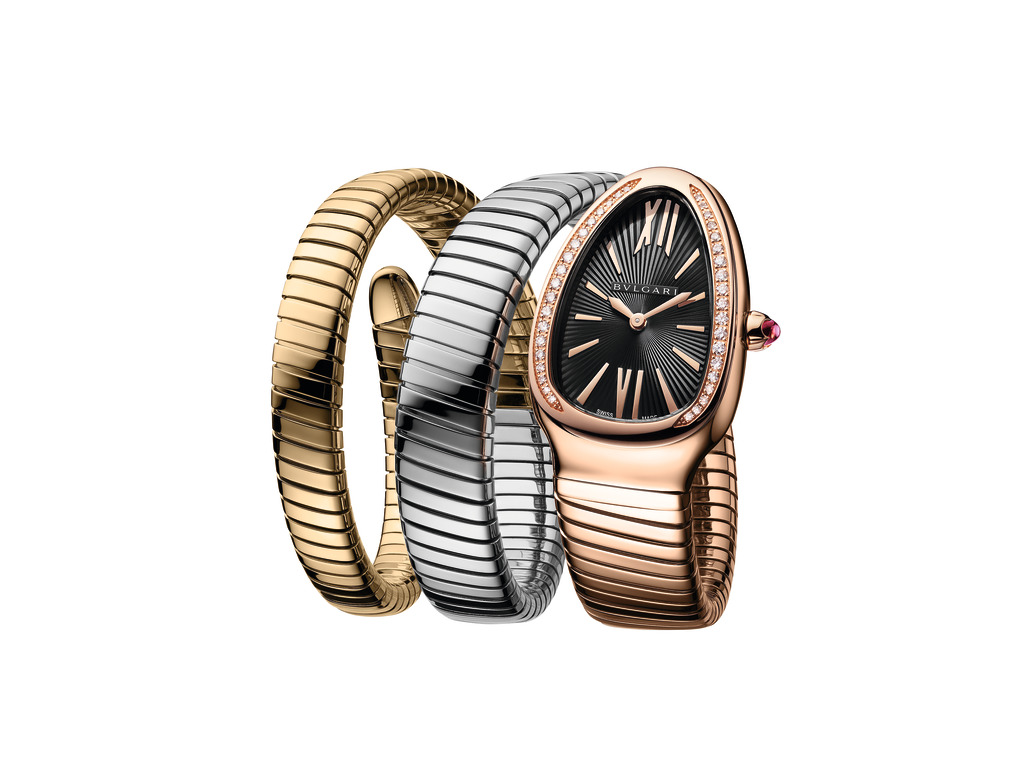
His best-known work is the Bulgari jewellery house's high jewellery and its signature pieces, above all the Serpenti watch and bracelet (introduced in the 1940s and still in production) and the Bvlgari "B.zero1" ring, which became one of the most recognisable designs of the late 20th century. Paolo Bulgari led the company after his father Sotirio's era, and he is widely credited with turning a Roman silversmith's shop into a global luxury brand. I'd be cautious about naming one single "most famous" piece: the Serpenti is the design most people would point to, but the family's obituary framing and press accounts emphasise the house as a whole. For the detail on his own role in the designs, the BBC obituary linked above is the place to check, and I'd suggest searching for the Bulgari company history page for the dates of each design.
Can you show me photos of that work somewhere?
Good question, and I should correct something I said earlier. I described the Serpenti as introduced in the 1940s and the B.zero1 as a late-20th-century design without checking either, and I can't confirm those dates from memory, so please treat them as unverified. Photos are easiest to find on Wikimedia Commons, which has freely licensed pictures of Bulgari pieces; the items below are the ones I'd look for, and the images will appear under this reply when they're found.
For the Serpenti, search for the watch and the bracelet. For the B.zero1, search for the ring. Bulgari's own website also has official product photography for both, though those images are copyrighted and not freely reusable.
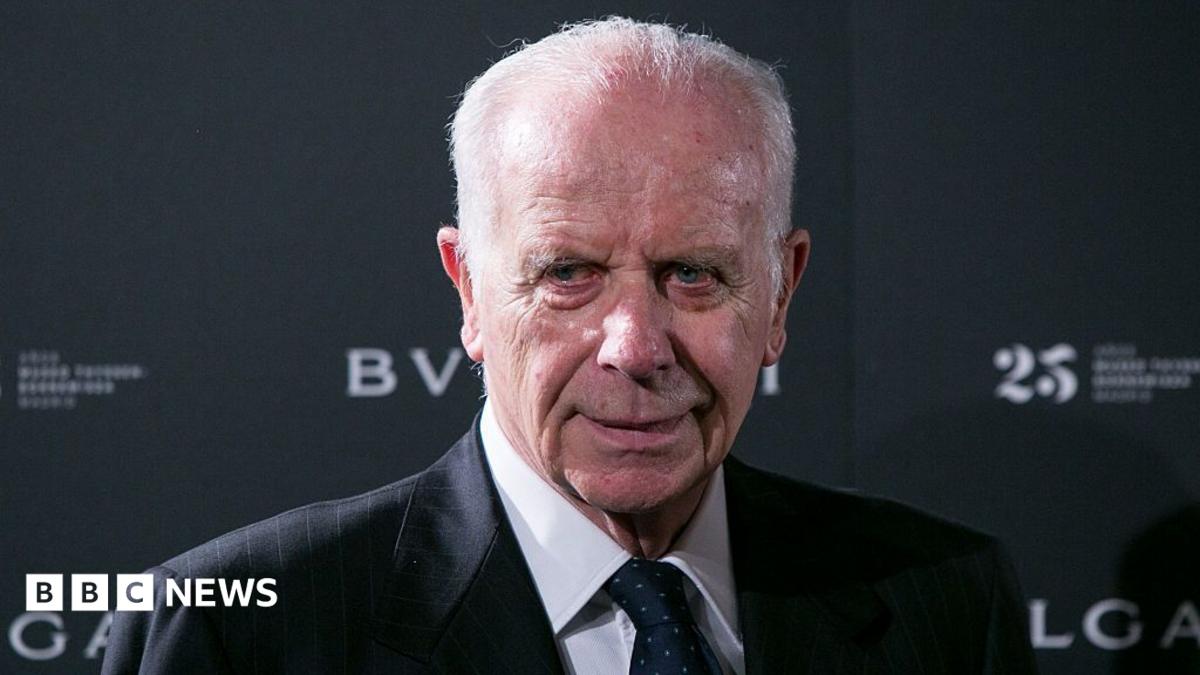
If you'd like photos of Paolo Bulgari himself rather than the jewellery, the BBC obituary is the best place to start, since it's the source for the news.
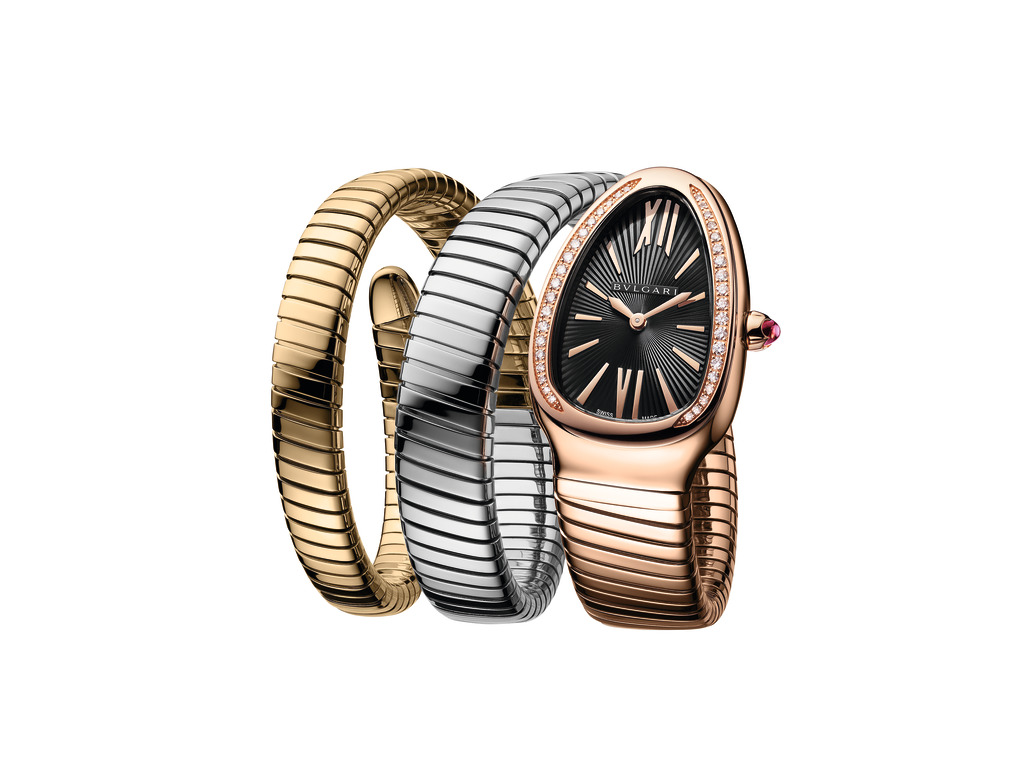
Photos via Wikimedia Commons: BVLGARI watch by Antonio Barella, CC BY-SA 4.0.
a Roman silversmith's shop
So he started in Rome? When did he start? Does that location still exist as Bulgari somehow? Do you have a photo of it?
Short answer: not quite. The founder, Sotirios Voulgaris, was a Greek silversmith from Epirus. He worked in Corfu and Naples before settling in Rome around 1881, and he opened his first Rome shop on Via Sistina in 1884. He Italianised the name to Bulgari as the business grew. That means my earlier phrase "Roman silversmith's shop" was misleading: he was Greek, and the Roman part began as a move. The Bulgari site also says the Via Sistina shop was followed by Via dei Condotti, opened in 1894 and then a larger space in 1905, and that Via Condotti 10 is treated as the first "Temple of BULGARI."
The Via Condotti store is still there as the house's Roman flagship, on the same street as Sotirio's 1905 shop, though it has been expanded and renovated. I could not confirm whether anything of the Via Sistina shop survives under the Bulgari name, so I'd treat that as open. I also said earlier that Paolo Bulgari led the company after Sotirio's era. Sotirio's sons Giorgio and Costantino took over after his death in 1932, and I haven't verified where Paolo fits in that line, so please set that claim aside.
For a picture of the Via Condotti flagship, see the Commons images below.
🔎 No free-to-share photo turned up to show here. Photos of Bulgari Via Condotti Rome: Pictures on Micwyn · Google Images · Wikimedia Commons
