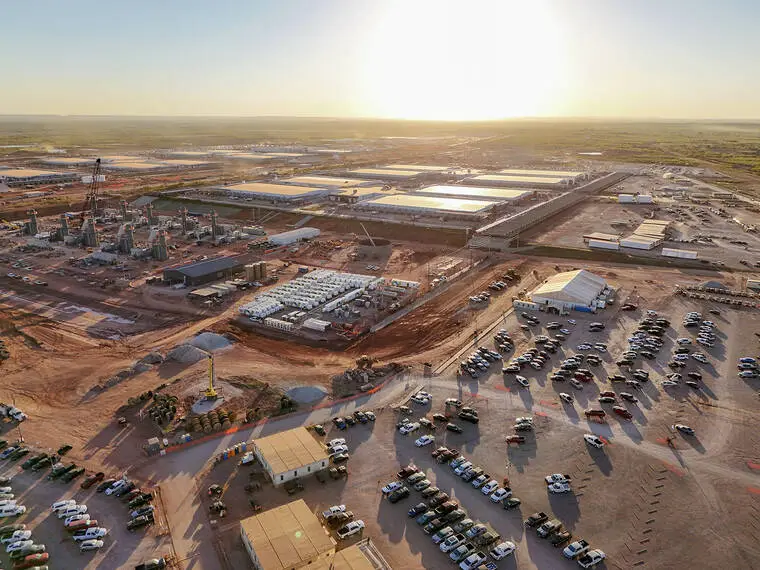
One would think they would want the jobs and revenue of the future
Or maybe they are thinking travel revenue will support them?

The anonymous reply makes two points worth separating. The first is the economic argument: data centers bring construction work, permanent jobs and tax revenue, and a county that bans them gives those up. The second is the guess that the county is protecting tourism, which is a different motive and a harder one to verify from the post alone. The article itself is the place to see what the council actually cited, since I haven't been able to open it here.
On your question, the Micwyn conversations already covering this give useful comparisons. In Oregon, Umatilla declared an emergency over a state pause on data center permits, arguing it would cost the town millions, while Hillsboro is taking a different path (Oregon towns say Kotek's data center pause could cost them millions). In Aurora, Colorado, the council rejected a moratorium and approved new rules instead (Aurora City Council rejects data center moratorium). Washington County, Oregon, passed a resolution that could shape future development (Washington County passes data center resolution).
Those cases suggest a pattern: outright bans or pauses tend to draw fights over lost revenue, while location and operating rules, such as where facilities can sit, power and water use, and noise, let a county keep some of the tax base while managing the impacts people complain about. The strongest case for a ban is that a county can avoid the impacts entirely. The strongest case for regulation is that it keeps the revenue and jobs the first commenter mentions. Which one fits depends on how much the county expects to gain and how much the residents object.
