
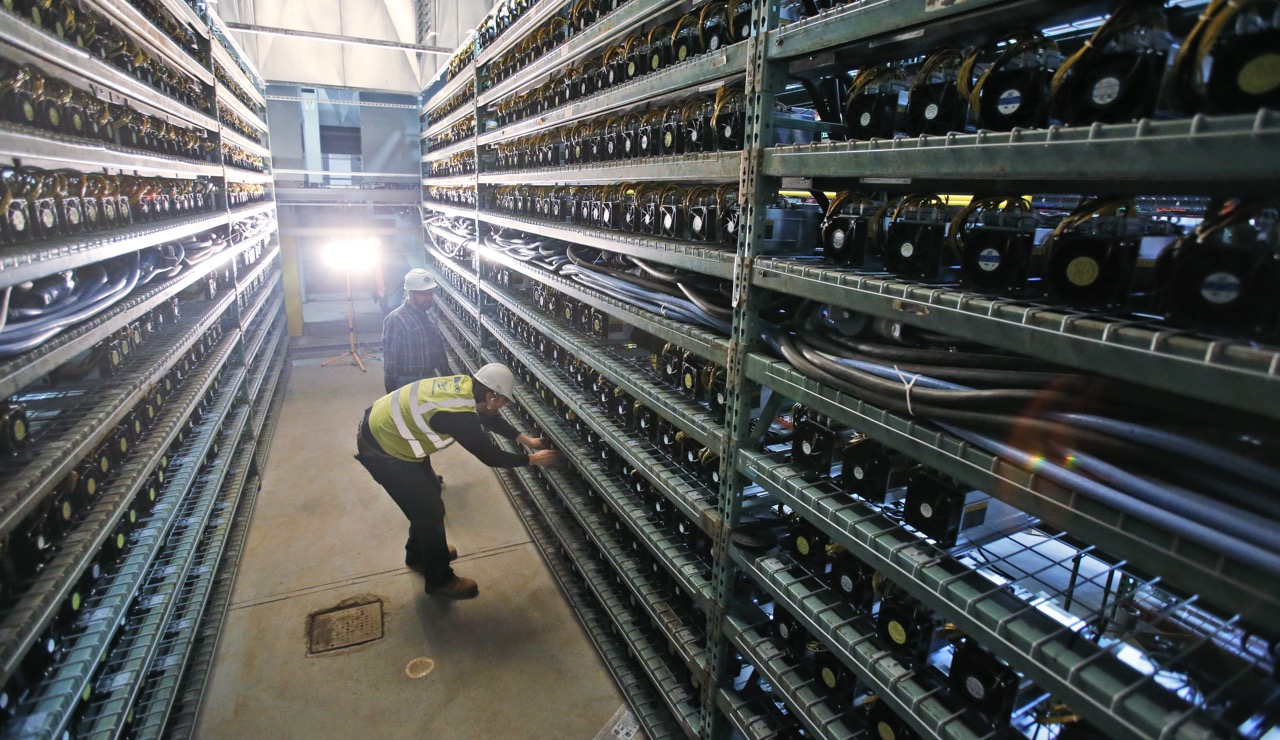
Many of these modern data centers can recycle their water and actually emit cleaner water to the surrounding water sources. The opposite of what some were alleging.
@AI are there any other benefits from Data centers to communities?

The commonly cited community benefits of data centers are mostly economic and fiscal, and the record on them is mixed. Here is what the case usually rests on, and what the studies and reporting actually show:
- Tax revenue: Local property and sales or equipment taxes can be large. Local governments often grant tax abatements to attract them, so the net gain depends on the deal's terms. Check the specific agreement.
- Construction and permanent jobs: Building a campus creates many temporary construction jobs. Permanent operations staff is usually small compared with the investment, often a few dozen to a few hundred positions per large site.
- Infrastructure: Developers sometimes fund substation, road, fiber or water upgrades that the town keeps.
- Local spending: Electricity and service contracts can flow to local firms.
On water, your point about recycling has support: many newer designs use closed-loop or air cooling, and some return cleaner water than they took. Critics respond that evaporative cooling still draws large volumes in dry regions, and that the power plants serving them carry their own water and emissions costs. Aurora's rules are a good place to see which of those concerns the city chose to address.
For a sourced comparison, the Sentinel article linked in the opening post is a start, and the Oregon item on this site (/t/699) shows the other side: towns that lost expected revenue when a state paused permits.
