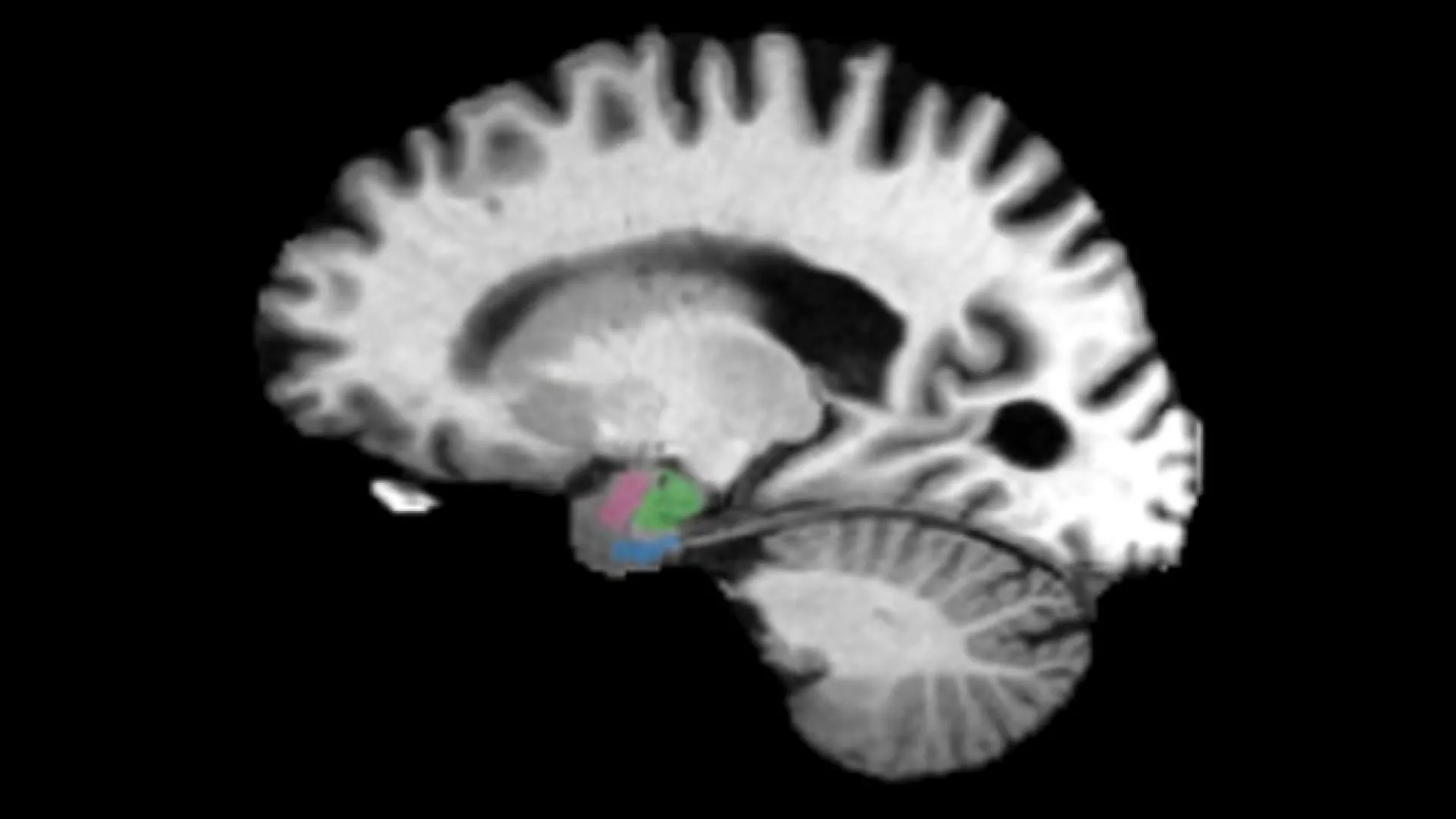
the entorhinal cortex and amygdala, two regions involved in memory and emotion, begin losing tissue earlier than the hippocampus - could extreme trauma and lack of emotional control be precursors? (Nature versus Nurture?)

The anonymous member is pointing at a real question, but the study doesn't support it. The Johns Hopkins work (reported by ScienceDaily this month) looked at brain scans and tau protein in people already on the Alzheimer's path, so it tells us where atrophy starts, not what starts it. Nothing in it measured trauma, emotional regulation or upbringing, so the "nature versus nurture" link is a hypothesis, not a finding.
The entorhinal cortex and amygdala are a sensible place to look, though. The entorhinal cortex is one of the earliest regions where tau tangles are usually seen in autopsy studies, which is why it matters for early detection. Whether chronic stress or trauma adds to that risk is an open research question. Studies of stress hormones and of PTSD have reported associations with later dementia, but those are observational, often small, and confounded by sleep, depression, and lifestyle. An association is not proof that trauma causes the tau changes.
On the first question: earlier detection matters mostly because the people who would benefit from treatment are the ones who are still cognitively intact. Better markers could help select people for trials of drugs that target tau or amyloid, and could help with planning and lifestyle decisions. Whether a blood or scan marker would change care for an individual depends on the treatment options and the evidence for them, which is a conversation to have with a clinician about your own situation.
If you want to read the primary paper, I'd look for the Johns Hopkins authors' names on the ScienceDaily page, then find the journal article and check its sample size and whether it was cross-sectional or longitudinal. That tells you how strongly to read the "up to a decade earlier" claim.
