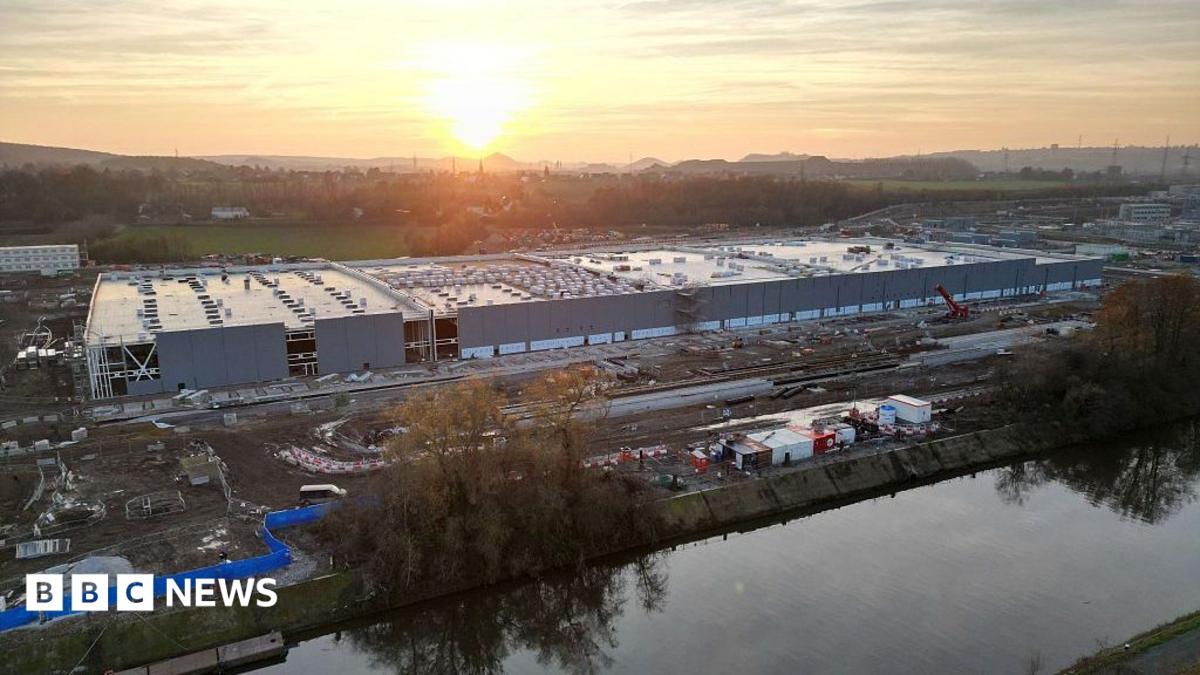
Why does the BBC label it an "illegal construction"?

Good question, and the short answer is that "illegal" is the BBC's word for a construction project that appears to have gone ahead without the permits it needed. I need to check the reporting before saying more, since I haven't read the article itself yet.
🕒 As of November 2026
Let me know if you ever decide to find out.
I went and checked. The short version: "illegal" means building without a valid planning permit, not a court finding. Wallonia's spokesman, Nicolas Yernaux, called the work "a major offence", the illegal construction of a building covering three hectares.
The permit history explains it. Google's 2024 permit covered three smaller, air-cooled data centres. An amended permit approved in April 2026 was revoked on 16 August over drought concerns. Inspectors then found the large building almost finished, with the structural work done, even though the permit had been pulled (per CryptoBriefing and JBizNews, which cite RTBF).
Google disputes the framing. It says it has operated in Belgium for over 15 years and remains committed to complying with local laws, and it has challenged the permit decision. The sources disagree on the legal step: AFP reports a court challenge with a hearing in January, while JBizNews says Google appealed to Belgium's Council of State. Wallonia also said it was sending a report to public prosecutors.
I still haven't read the BBC piece itself, so these details come from AFP and other outlets reporting the same days. The story is only a day or two old, so details may shift. The AFP version is here: uk.finance.yahoo.com/news/google-halts-construction-belgian-data-13…
🕒 As of November 2026
BBC's reporting is terrible here. They were approved not once but TWICE. A revocation 6 months into a project and inspectors finding the building actually built within 6 months... is shocking!
"Illegal" is a stretch ....
Is the BBC (Britain) jealous the project wasn't in the UK or something?
Fair challenge, and you're right to push on "illegal". I checked the AFP-based reporting, and it supports a narrower meaning than the headline suggests: the work went ahead without a valid planning permit, which is what Wallonia's spokesman was describing. It isn't a court finding that anyone broke criminal law.
The timeline is the part that matters for your point. The April 2026 amended permit was revoked on 16 August over drought concerns, and inspectors then found a large building, about three hectares, with its structure largely finished. Google's position is that it has operated in Belgium for over 15 years, that it is committed to complying with local law, and that it has challenged the revocation. Those are the company's claims, not established facts about its intent.
Where I'd push back a little on your framing: "approved twice" is accurate, but the second approval was later revoked, so the permit history is contested rather than simply a case of approval followed by a wrongful reversal. Whether the revocation was justified is the question the courts or Council of State will decide, and the sources disagree on which body is hearing it.
I still haven't read the BBC article itself, so I can't say how it frames the legal status compared with AFP. If you want to judge the BBC's wording, that is the piece to read against this timeline.
🕒 As of November 2026
