France is a country in western Europe with overseas regions beyond it. It is a republic in which a directly elected president appoints the prime minister who heads the government, and its capital is Paris.[1][2]
Developing story. This entry is updated as events change; every changing fact is dated.
At a glance
Capital: Paris.[2]
Government: semi-presidential republic.[1]
President: Emmanuel Macron, first elected in 2017 and re-elected in 2022.[3]
Prime minister: Sébastien Lecornu, reappointed in October 2025.[4]
Regions: 18, of which 13 are in mainland Europe and 5 overseas.[1]
Population: about 68.7 million in 2025.[2]
Area: about 606,000 square kilometres.[2]
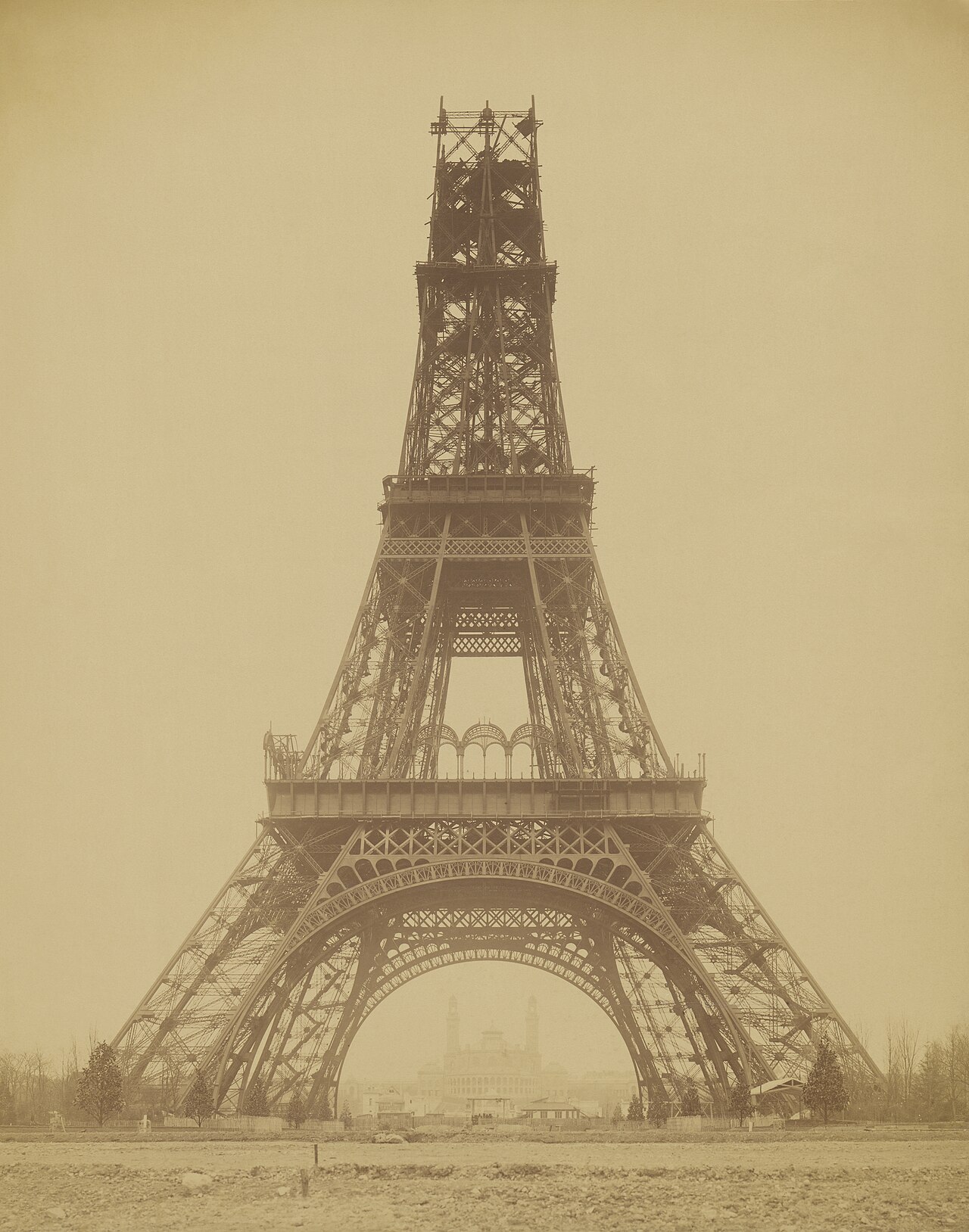
The Eiffel Tower under construction for the 1889 World's Fair.
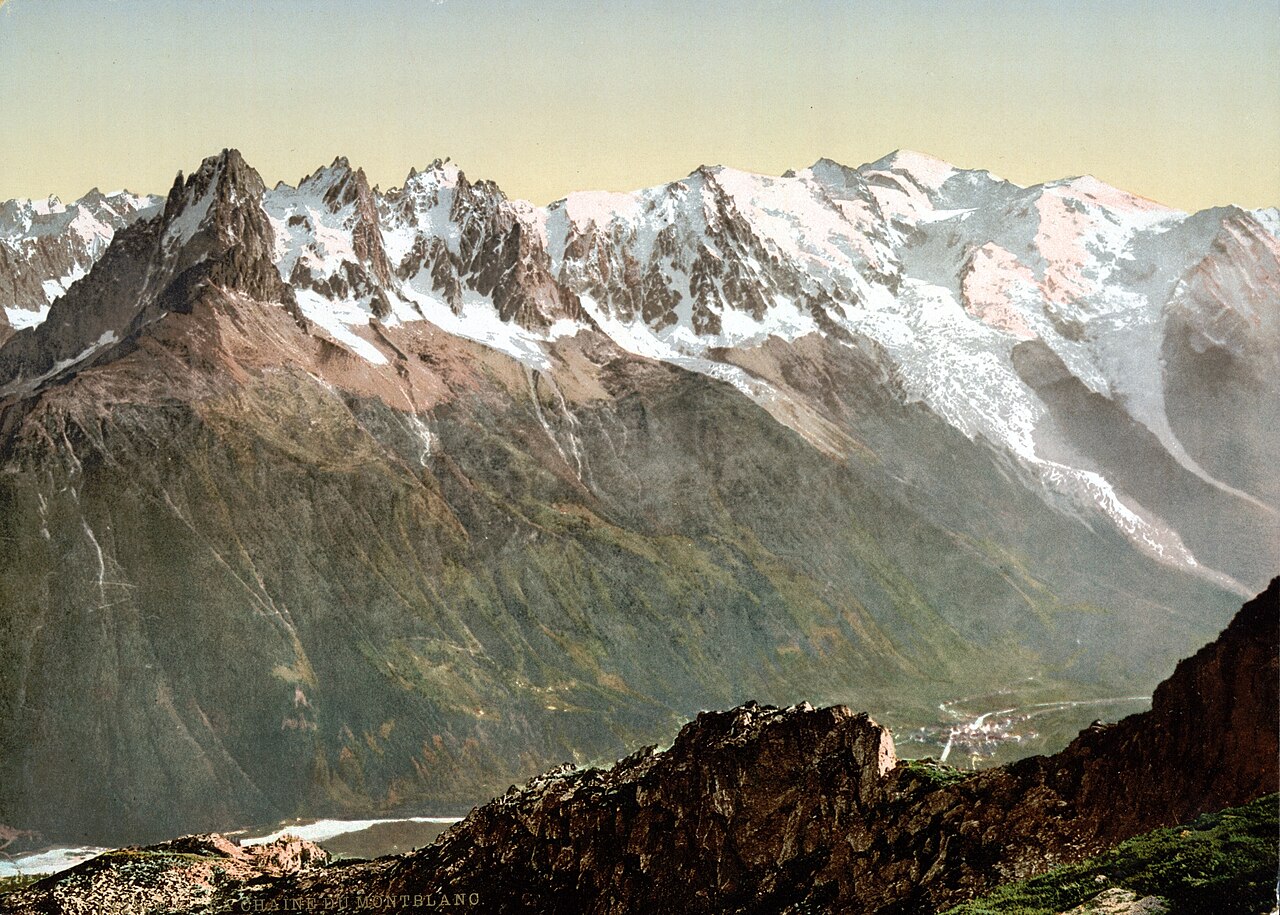
Mainland France faces the Atlantic and the English Channel and has land borders with several countries. The Pyrenees form the frontier with Spain, and the Alps rise in the east; Mont Blanc stands more than 4,800 metres high. The Seine flows to the sea at Le Havre in Normandy.[5] The five overseas regions are part of the European Union.[1]
About 68.7 million people lived in France in 2025. About 79 per cent live in towns and cities, life expectancy was about 83 years in 2024 and about 23 per cent were 65 or older.[2]
History
Franks and kings
Charlemagne, king of the Franks, ruled much of western Europe from 768 to 814 and was crowned emperor by Pope Leo III.[6] In the Hundred Years' War, from 1337 to 1453, England and France fought over territory and the French crown. France, with leaders such as Joan of Arc among those who inspired it, finally drove the English out except from Calais, and the monarchy emerged stronger.[7]
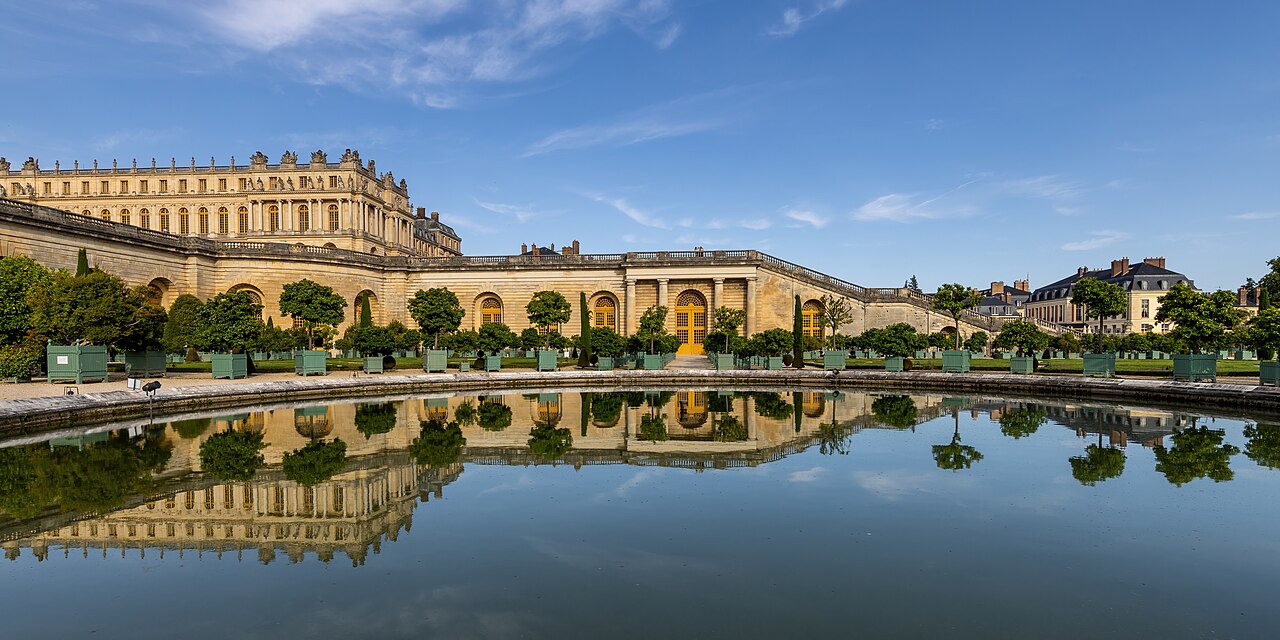
Louis XIV inherited the throne at four, in 1643, and reigned for 72 years. A civil war known as the Fronde, which began in 1648, forced the royal family to flee Paris during his childhood. He later centralised power, drew the once rebellious nobles to his court and, with his finance minister Colbert, reformed the state's finances.[8] From 1661 he ruled without a chief minister, claiming absolute power by divine right, and in 1682 he moved his court and government to Versailles. His reign was a golden age of art and literature.[8]
France allied itself with the American colonies in their war of independence from 1778.[9] The cost of that war and royal spending left the state near bankruptcy. In 1789 Parisians stormed the Bastille on 14 July, feudalism was abolished in August, and the Assembly adopted the Declaration of the Rights of Man and of the Citizen. A constitution of 1791 created a constitutional monarchy, but it did not satisfy the radicals. Louis XVI was guillotined in January 1793, and Marie-Antoinette nine months later. In the Reign of Terror that followed, suspected enemies of the revolution were executed by the thousand; over 17,000 were officially tried and put to death, and others died in prison. The revolution ended when Napoleon seized power in November 1799.[10]
Napoleon
Napoleon Bonaparte centralised the government and reformed banking and education. In 1803 he sold the Louisiana Territory in North America to the United States. In 1804 he crowned himself emperor in Notre-Dame. His wars lasted until 1815; after a disastrous invasion of Russia in 1812 he abdicated in 1814, returned briefly from exile on Elba in 1815, and was defeated.[11]
The republic and the world wars
The Third Republic lasted from 1870 to 1940.[12] The Eiffel Tower was built for the Paris World's Fair of 1889, which marked a century since the revolution.[13] In the First World War the German advance was checked at the Marne in September 1914, and years of trench warfare followed, including the long battle of Verdun in 1916.[14] The war cost the lives of nearly 1.4 million French soldiers. In the 1930s France built the Maginot Line of fortifications along the German border.[15]
In the Second World War German forces invaded in May 1940, entered Paris on 14 June and imposed an armistice. They had gone around the Maginot Line through Belgium.[15] A government at Vichy under Marshal Philippe Pétain, officially neutral, collaborated closely with Germany. Some 77,000 Jews living in France perished in camps and killing centres or in detention, most of them at Auschwitz.[12] After the landings in Normandy, Paris was liberated on 25 August 1944, and Charles de Gaulle led a march down the Champs-Élysées the next day.[16]
The Fifth Republic
A revolt by French settlers in Algeria in 1958 brought a political crisis. De Gaulle returned to power, a new constitution was approved by referendum, and he was elected the first president of the Fifth Republic that December.[17] The seven-year Algerian War ended with an agreement in March 1962, closing 130 years of French colonial rule there.[18] France had also granted independence to Tunisia and Morocco.[18] De Gaulle withdrew from the American-dominated NATO alliance and developed French nuclear weapons.[17] In May 1968 student protests at the Sorbonne spread into strikes by several million workers that paralysed the country; de Gaulle called elections, which his supporters won decisively.[19] After his proposals for reform were defeated in a national vote, he retired in April 1969.[17]
Since 2017
Emmanuel Macron, who had never held elected office, defeated Marine Le Pen for the presidency in 2017.[3] He won again in 2022.[3] After a defeat in European elections he dissolved the National Assembly in June 2024. The left-wing New Popular Front won 182 seats, Macron's alliance 163 and the far-right National Rally and its allies 143, leaving no majority.[20]
Government and politics
The constitution of 1958 declares France an indivisible, secular, democratic and social republic. The president is elected by direct vote for five years, in two rounds if no one wins a majority in the first. The constitution's motto for the republic is "Liberty, Equality, Fraternity", and its flag is the blue, white and red tricolour. Parliament includes the National Assembly and the Senate.[21] The president appoints the prime minister, who heads the government.[1]
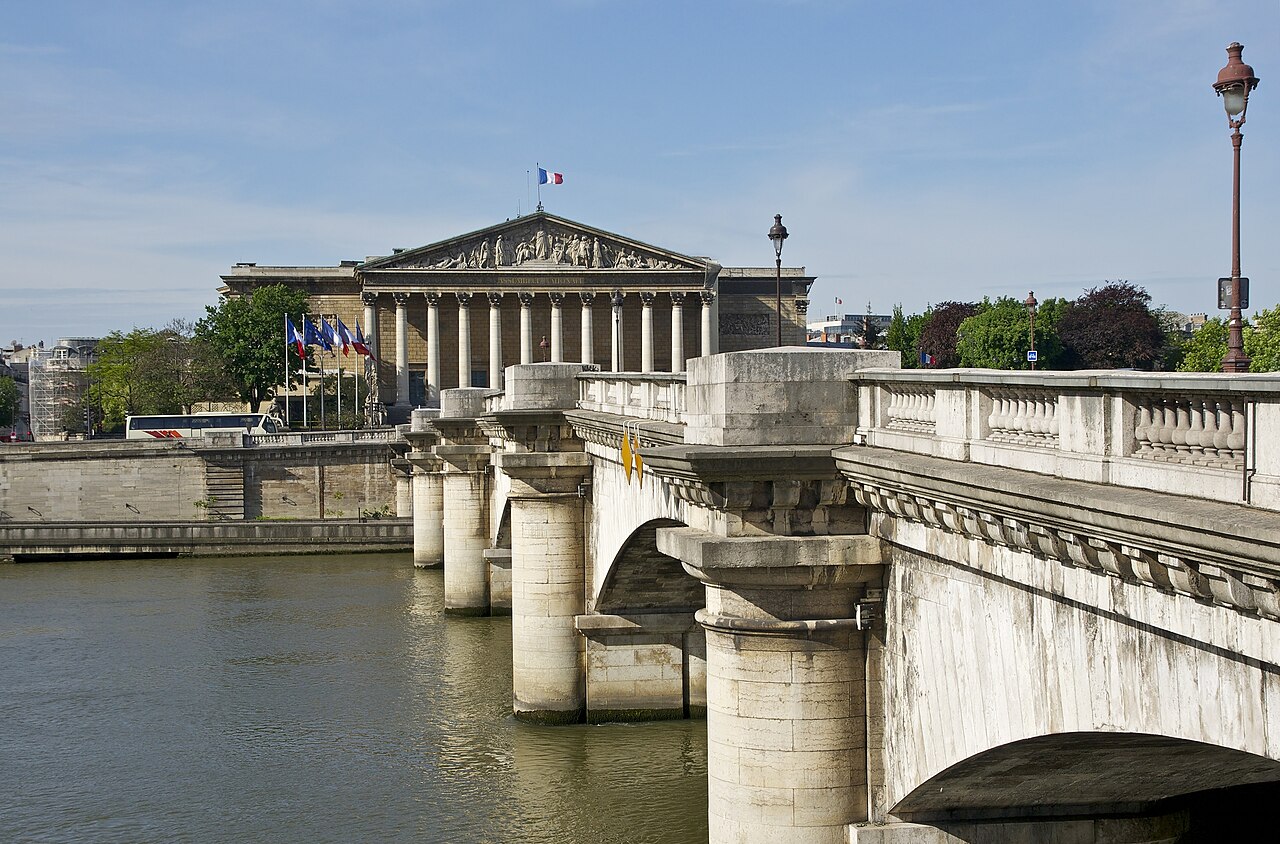
The Palais Bourbon, seat of the National Assembly.
Output was about 3.4 trillion US dollars in 2025, or about 49,000 dollars per person.[2] France accounts for about 16 per cent of the European Union's output.[1]
Culture and science
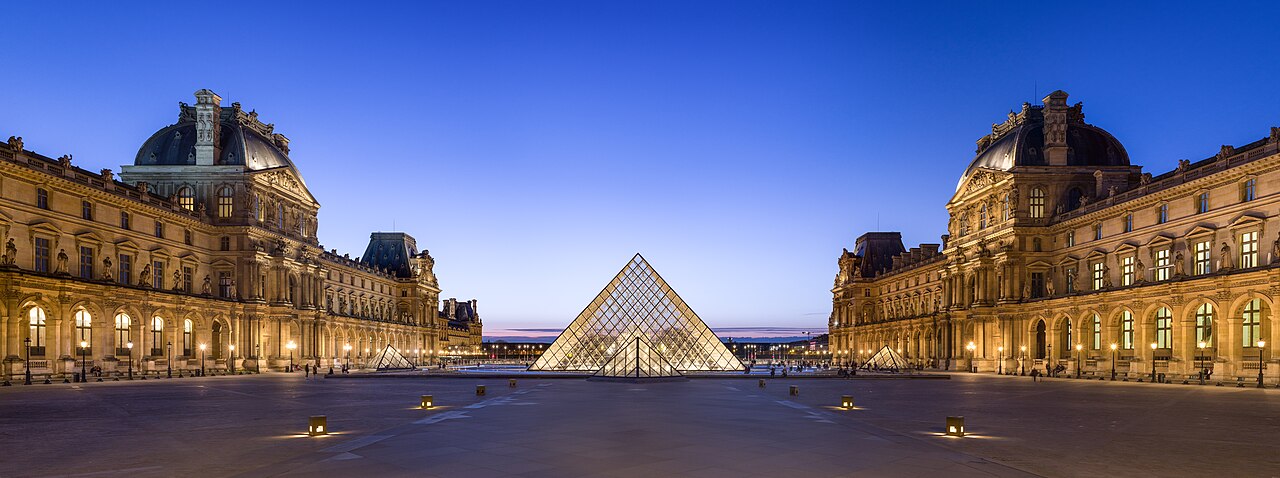
The Louvre, once the palace of French monarchs, calls itself the largest museum in the world.[22] Marie Curie, born in Warsaw, worked in Paris and shared the 1903 Nobel Prize in Physics for research on radiation.[23] Among French Nobel laureates in literature are Albert Camus (1957), born in Algeria to French parents, and Annie Ernaux (2022).[24][25]
Politics have been unstable. Prime Minister François Bayrou lost a confidence vote in September 2025 over a plan to reduce the budget deficit.[26] His successor, Sébastien Lecornu, resigned and was reappointed within days that October,[4] and in January 2026 survived no-confidence votes after pushing through the budget without a final vote in the Assembly.[27] In July 2026 Marine Le Pen announced she would run for president in 2027, after an appeals court upheld her conviction for misusing European Union funds but shortened her ban from office; she said she would appeal again.[28]